1. What is a cash book (and why does it still work)? 📘
In the past, people tracked their expenses in a notebook: the cash book. Every euro that came in or went out was written down manually. The basic principle is very simple: you record all income and expenses so you know exactly where your money goes.
Manually keeping track works, but it takes a lot of time and requires discipline—especially if you often pay by card, shop online, or have multiple bank accounts. These days, it can all be done in a smarter, faster, and clearer way.
2. Grassfeld as a digital cash book: how it works ⚙️
In the Grassfeld app, the (old-fashioned) principle of a cash book is combined with modern digital features. As a result, the app does most of the work for you.
1. Link your bank account
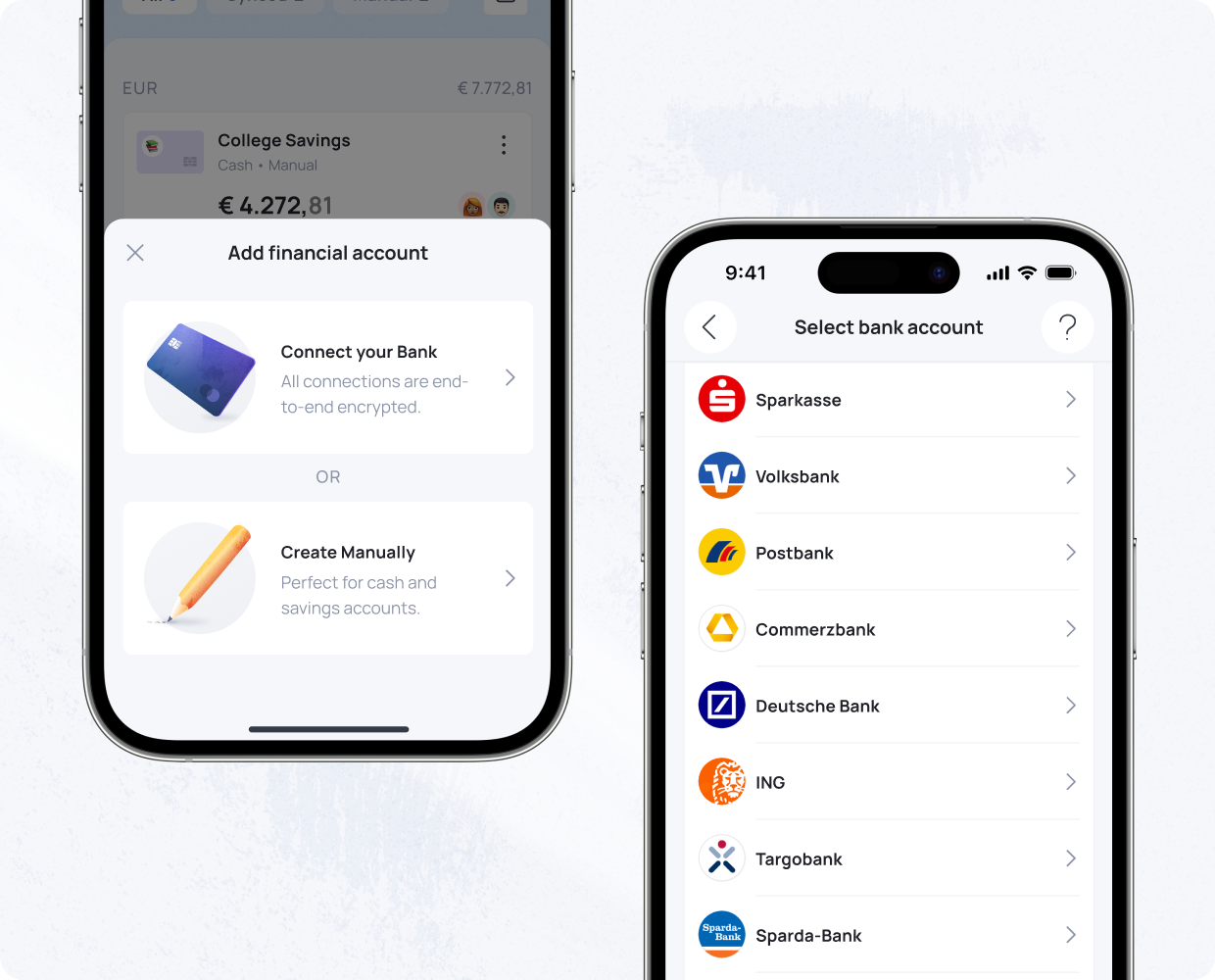
You securely link your bank account(s). From that moment on, your transactions are automatically synced in the app. Every payment or deposit immediately appears in your digital cash book.
2. Automatic tracking of income and expenses
Just like in a classic cash book, the app shows you:
- what comes in (salary, allowances, refunds)
- what goes out (groceries, rent, subscriptions, leisure spending)
The big difference: you don’t have to type anything in—everything is already there.
3. Smart categories = overview
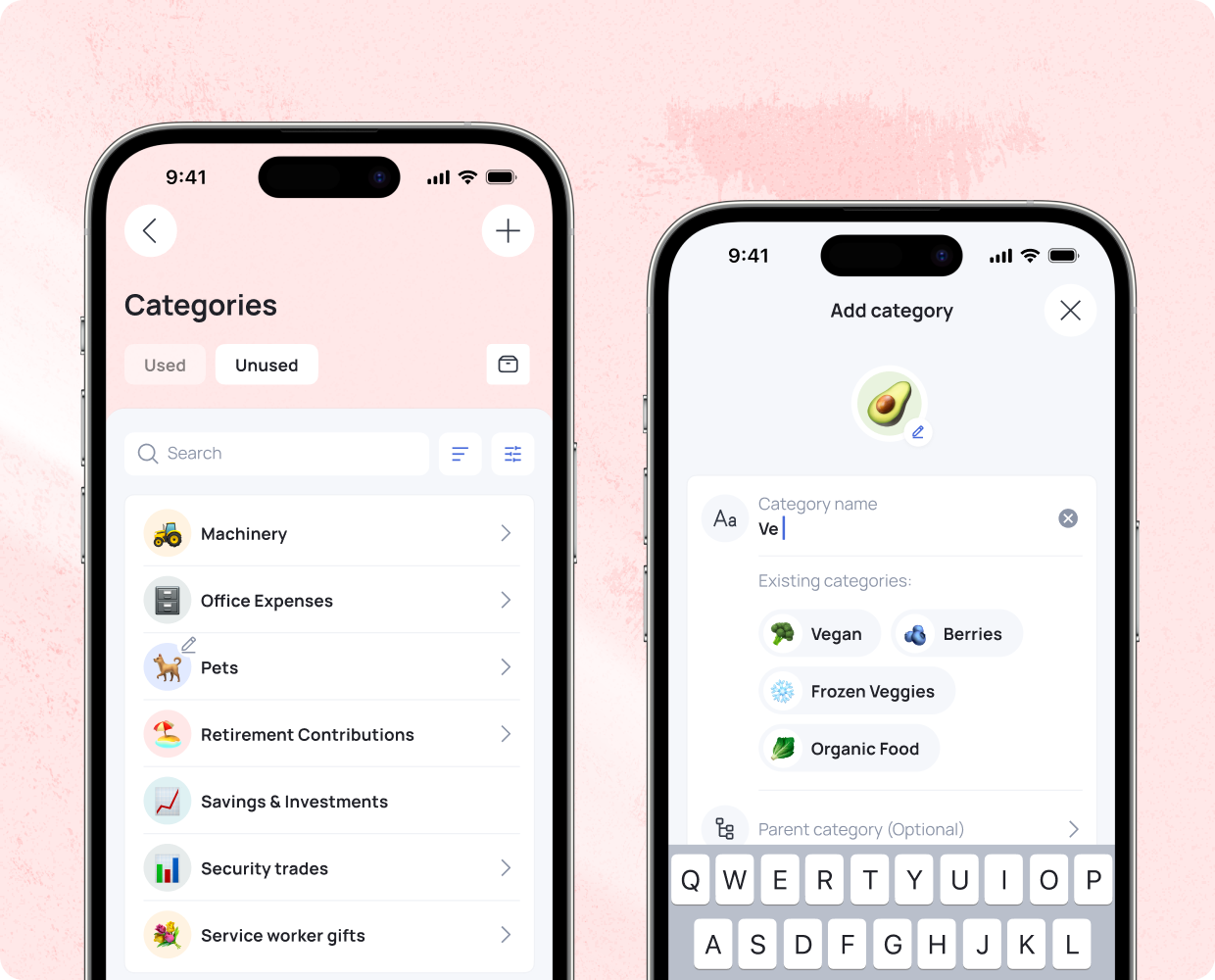
Grassfeld automatically recognises many transactions and places them into categories like groceries, housing, transport, subscriptions, and leisure. You can adjust categories or create your own. This way, the cash book always fits your life.
3. From list to insight: this is the big difference 📊
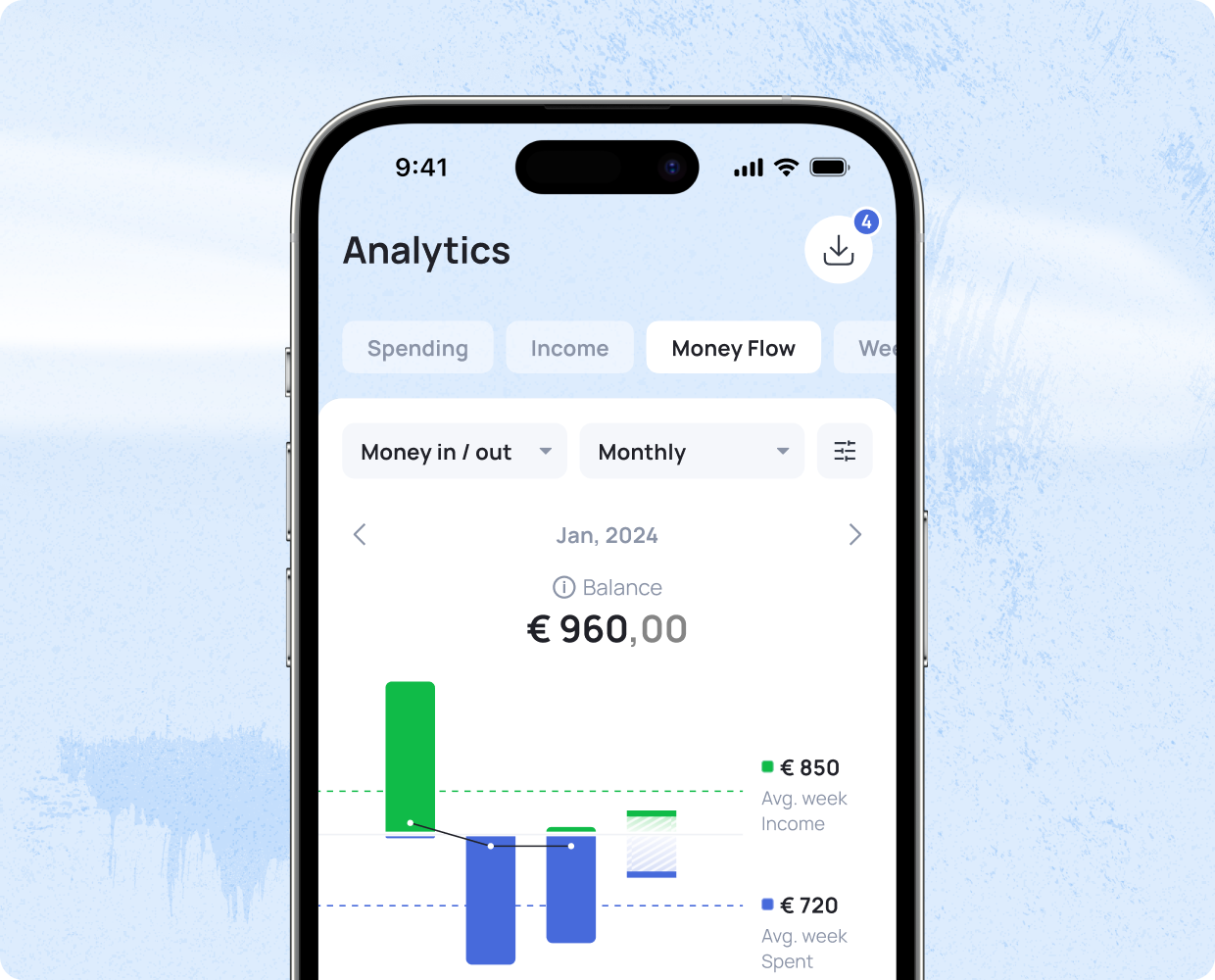
A traditional cash book mostly shows data. Grassfeld gives you insight. Clear graphs show, among other things, how much you spend per month, where most of your money goes, and how your spending changes over time. This helps you spot patterns that are easy to miss in a notebook or Excel sheet—for example, how “small expenses” can still add up to a significant amount.
4. Budgets: setting rules for yourself 🎯
A cash book becomes truly powerful when you add limits. That’s why you can set budgets in the Grassfeld app. For example:
- €400 per month for groceries
- €150 for clothing
- €100 for eating out and coffee
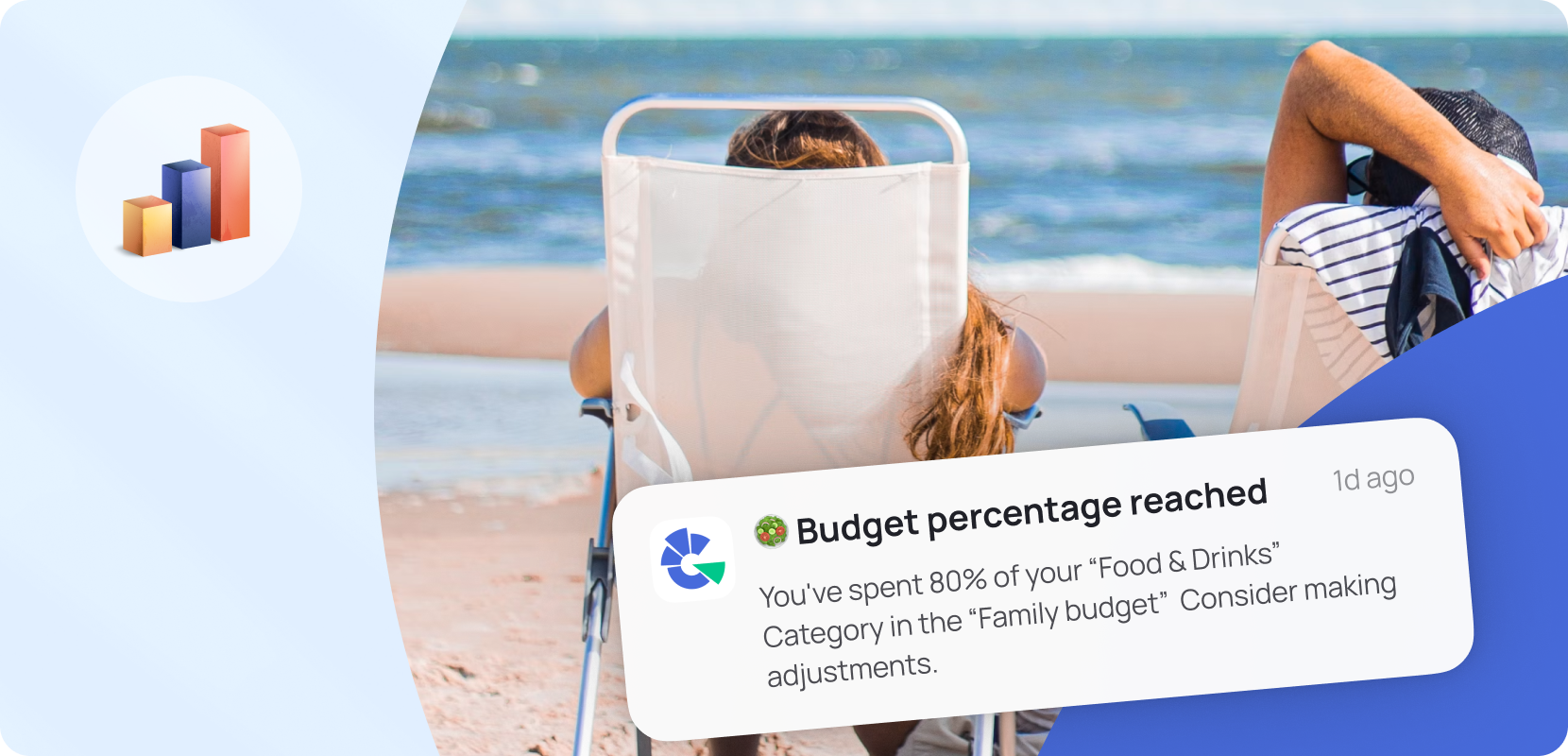
The app shows you at any time how much money you have left. When you’re close to your limit, you’ll get a notification. This helps prevent unpleasant surprises at the end of the month.
5. Savings goals: a cash book with a purpose 💰
Where the old cash book mostly looked back, the Grassfeld app also looks forward. You can set savings goals—for example, for a holiday, an emergency fund, a new car, or a renovation. You don’t just see what you spend, but also how your savings grow step by step. That’s motivating and makes saving more tangible.
6. Who is the Grassfeld app for? 👥
Grassfeld works as a digital cash book for almost everyone:
- Students who want to keep an overview
- Families with many monthly expenses
- Entrepreneurs or freelancers who want to separate personal and business finances
Whether you’re just starting with budgeting or have been working with spreadsheets for years, the Grassfeld app is the modern version of the old-fashioned cash book. The biggest advantage? You don’t have to deal with it every day. Just a few minutes per week is enough to check your categories, see if you’re on track, and make small adjustments. This keeps financial control manageable and sustainable.
7. From cash book to peace of mind 😌
A cash book isn’t about being frugal—it’s about living consciously. Knowing where your money goes gives peace and freedom. Grassfeld gives you exactly that, without the time-consuming manual work.
Want to experience how the Grassfeld app works as a modern cash book? Download it for free from your app store. In the app, you can easily link your first bank account, instantly see all your income and expenses, and set budgets and savings goals. It makes staying in control of your money simple and clear again.