1. What Does Return Mean? 💡
Return is what an investment yields. Simply put, it shows how much money you gain — or lose — on your initial investment. This can apply to money invested in shares, but also to savings that grow steadily over time.
Return is usually expressed as a percentage, which makes it easy to compare different investments. After all, it’s not just about how much you earn in total, but how large the profit is relative to the amount you invested.
2. How Does Return Work? 📈
When you invest money, its value can go up or down. If your investment is worth more than what you originally put in, you have a positive return. If the value drops, the return is negative. In short, return tells you how successful your investment is — or has been.
With savings, return is easy to calculate: it consists of the interest you receive. With investments, return often has two components:
- The profit from price increases
- Any dividends paid on the shares you own (not all shares pay dividends)
Together, these make up your total return.
3. How Do You Calculate Return? 🧮
Calculating return is not difficult. Use this formula:
Return = (Proceeds – Investment) / Investment × 100
Example:
You invest €1,000 in shares. After one year, they’re worth €1,100. Your proceeds are €100.
The calculation looks like this: (1,100 – 1,000) / 1,000 × 100 = 10% return
This means your investment has grown by 10%.
If your shares were worth only €950 after a year, your return would be -5%.
4. Why Is Return Important? 🎯
Return helps you make better financial decisions. By looking at return, you can assess whether an investment was worthwhile.At the same time, there’s an important pitfall: a higher return may sound attractive, but it often comes with higher risk. Saving offers a lower return, but it’s relatively safe. Investing may offer higher returns, but the value of your investments can also fluctuate — which means you could lose money.
5. Return and Inflation 📉
An important factor that’s often overlooked is inflation. Inflation means that your money loses value over time — €100 buys fewer groceries today than it did a year ago. If your return is lower than inflation, your purchasing power decreases — even if your savings or investments are growing on paper. That’s why many people not only look at return, but also at the real return: the return after inflation has been deducted.
6. Control Over Your Finances 💰
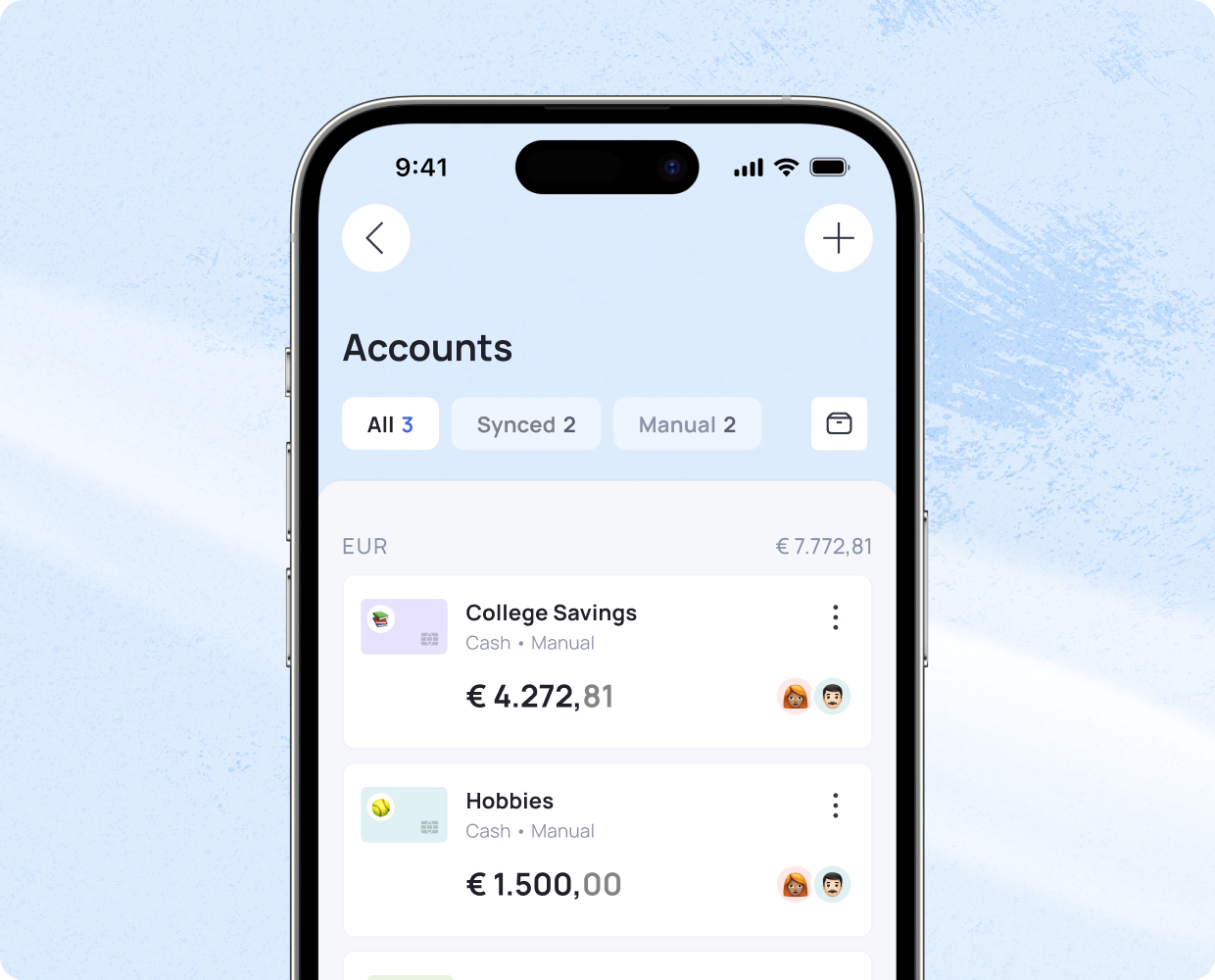
Whether you save, invest, or do both, having insight into your personal financial situation helps you make smarter, more sustainable decisions. With the free Grassfeld app, you can easily keep track of all your accounts and gain more control over your money.
Transactions are automatically categorised, so you quickly see where your money goes. And thanks to the built-in budgeting tool, you stay on top of your spending — making it easier to save or invest more.
📲 Download the free Grassfeld app now from your app store and experience the benefits for yourself.