1. What does return on investment mean?
Return on investment is what an investment earns you. Simply put, it shows how much money you gain or lose on the amount you put in. That can be money in stocks, but just as well savings that grow steadily.
Returns are usually expressed as a percentage. That percentage makes it easy to compare different investments. After all, it’s not just about how much you earn, but mainly about how big the profit is compared with the amount you invested.
2. How do returns work?
When you invest money, its value can go up or down. If your investment is worth more than the amount you put in, you have a positive return. Has the value dropped? Then the return is negative. So your return tells you how successful your investment is (or has been).
With savings, the return is easy to figure out: it consists of the interest you receive. With investments, the return can consist of two parts: the profit from price increases and the dividends you receive on the shares you own (whether you receive dividends varies by share). Together, they determine your total return.
3. How do you calculate return on investment?
Calculating your return isn’t very complicated. Use this formula:
Return (%) = (end value – amount invested) / amount invested × 100
An example:
You invest €1,000 in stocks. After a year, they’re worth €1,100. Your profit is then €100.
The calculation looks like this: (1,100 – 1,000) / 1,000 × 100 = 10% return
That means your investment has grown by 10%. If your shares had only been worth €950 after a year, your return would have been –5%.
4. Why does return on investment matter?
Your return helps you make better financial choices. By looking at the return, you can better judge whether an investment was worth it. At the same time, there’s an important pitfall. A higher return is tempting, of course, but it’s good to realize that it often comes with higher risk. Saving gives you a lower return, but it’s safe. Investing can give you a higher return, but the value of your shares can also fluctuate (sharply), so you can lose money. The longer you leave your returns invested, the bigger the effect becomes. Read more about the compounding effect.
5. What does inflation do to your return?
An important point that’s often forgotten is inflation. Inflation means your money is worth a little less every year: with €100, you can buy fewer groceries than a year ago. If your return is lower than inflation, you lose purchasing power, even if your wealth seems to grow. That’s why many people look not just at their return, but at their real return: the return after subtracting inflation.
6. How do you get control of your finances with Grassfeld?
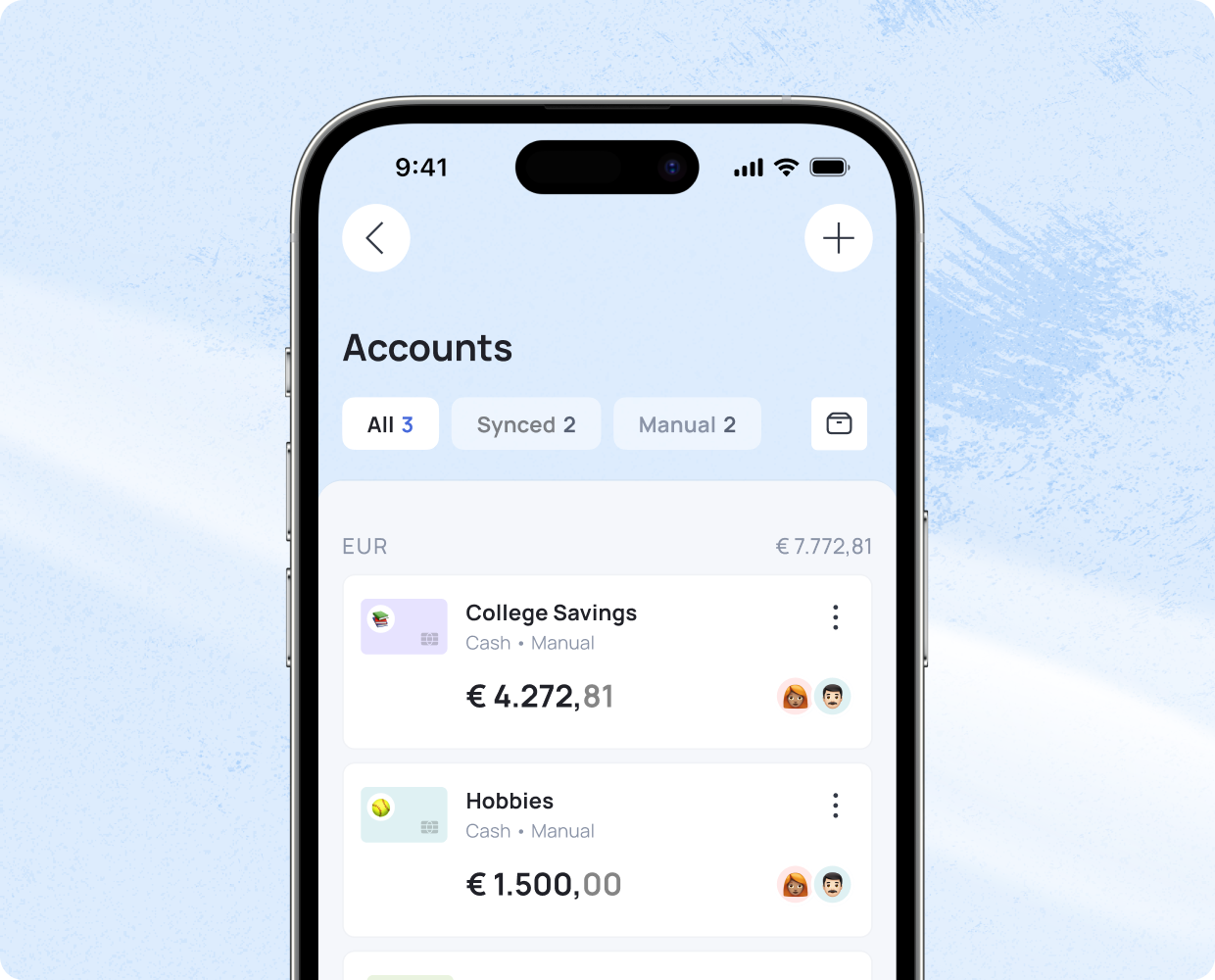
Whether you save, invest, or do both, insight into your personal financial situation makes it easier to make smart, sensible choices. With the Grassfeld app, you keep an overview of all your accounts and get more control over your finances.
Most of your transactions are categorized automatically in the app, so you quickly see what you spend your money on. And with the budgeting tool, you have more control over your spending patterns, so you can save or invest more money, for example. Download Grassfeld on the App Store or Google Play.
Frequently asked questions about return on investment
How do I calculate my return?
Use this formula: (end value – amount invested) / amount invested × 100. If you invest €1,000 and it’s worth €1,100 after a year, your return is 10%. If it’s worth €950, your return is –5%.
What is the difference between return and real return?
Real return is your return after subtracting inflation. If your return is lower than inflation, you can buy less with it, even though the amount grows on paper.
Does a higher return mean a better investment?
Not necessarily. A higher return often comes with more risk, so the value can also drop. Saving gives you a lower but relatively safe return.