Tip 1: Check Deductible Expenses
Tax deductions are one of the main ways to save on taxes in the Netherlands. They reduce your taxable income, which means you ultimately pay less tax. Not all expenses are deductible, but some are. A few important ones:
- Healthcare costs (under certain conditions), such as physiotherapy, dental care, medical aids above a certain threshold, hospital care, and even transportation to and from treatment
- Donations, for example to charities
- Public transport commuting costs (under certain conditions), for example if your employer does not reimburse them
By carefully checking which deductions apply to your situation, you may already be able to save a considerable amount of tax.
Tip 2: Split Deductions Wisely with Your Partner
If you have a fiscal partner, you can divide certain deductions between you to save on taxes. This may seem like a small detail, but it can make a big difference within the Dutch tax system. If one of you earns significantly more, it is often more beneficial to allocate the deductions to the person with the higher income. That way, you save tax at a higher rate.
Tip 3: Make Use of Tax Credits
Tax credits do not reduce your income, but the actual amount of tax you have to pay. In the Netherlands, this includes the general tax credit and the labour tax credit. These are usually applied automatically, but it is still wise to check whether this has been done correctly — especially if you have changed jobs, work part-time, or have multiple sources of income. The amounts involved are often substantial.
Tip 4: Think About Your Pension
Building up your own pension can be tax-efficient, for example through an annuity scheme. If you have annual contribution room or reserved contribution room, you can often deduct your contributions from your income. This means you pay less tax now while also saving for later.
For example, if you contribute €2,000 and that amount falls within the 35.75% tax bracket, this gives you a tax benefit of around €715. Do keep in mind that you will still pay income tax later on the annuity payments you receive.
Tip 5: Keep an Eye on Benefits and Allowances
Allowances such as healthcare allowance and rent allowance in the Netherlands depend on your income. If you earn more, these allowances may be reduced or disappear altogether. This can be frustrating if you only notice afterwards and have to pay money back.
A small increase in income, for example due to a bonus, can therefore have a bigger impact than you might expect. It is wise to take this into account in advance.
Tip 6: Review Your Tax Return Carefully
Dutch tax returns are largely pre-filled. That makes the process easier, but not flawless. Always check:
- Whether the amounts are correct
- Whether all deductions have been included
- Whether your personal situation has been entered correctly
Even a small mistake can make a difference of dozens or even hundreds of euros.
Tip 7: Small Tax Savings Add Up
Saving on taxes is often not about one major intervention, but about several small optimisations. A deduction here, a credit there, and a carefully checked tax return can together lead to significant savings. Otherwise, that money might quietly slip through your fingers.
Saving Starts with Insight
Paying taxes is unavoidable, but paying too much is not. By understanding how the system works and where the opportunities lie, you can save on taxes quite easily. And if you want not only to save on taxes, but also to better understand where your money is going, a clear overview of your finances is the first step.
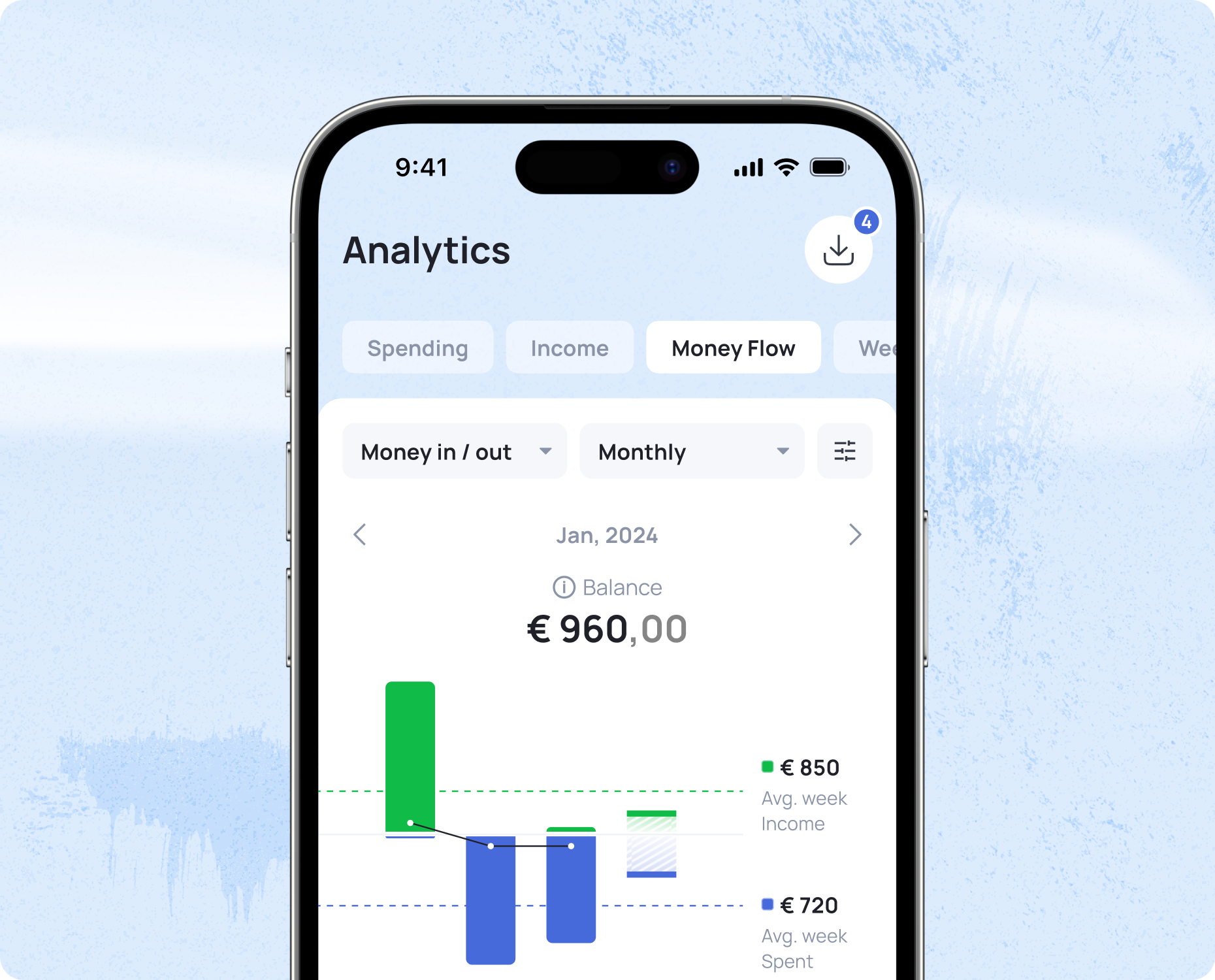
That’s where the Grassfeld app comes in. It allows you to see at a glance how your income is structured and where your money is being spent. With that overview, you can more easily spot where you can cut costs and stay in control of your finances.