1. Start with the Big Picture 📊
Before diving into the details, get a broad overview. How much came in? How much went out? And how did it feel overall this year?
Tip: Take your time. A little distance helps you view your finances more honestly.
Ask yourself:
- Did I feel in control of my finances, or was it chaotic?
- Did I move forward financially, stay the same, or fall behind?
- How much did I actually save?
- Which choices were intentional, and which were habitual?
2. Review Your Fixed Expenses 🔍
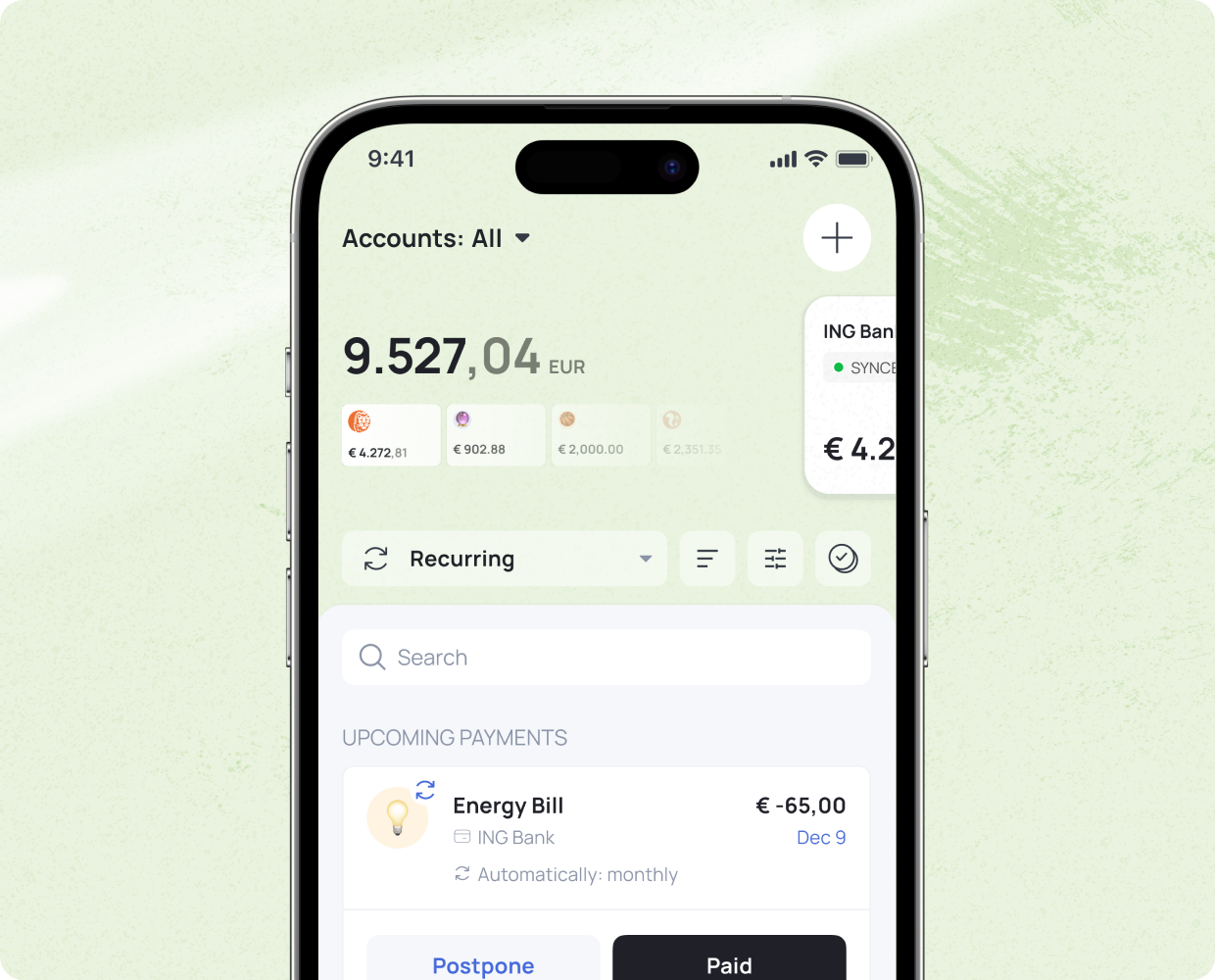
Fixed costs form the foundation of your financial life. That’s why they deserve special attention at year’s end—many people overlook major opportunities to save here.
Watch for things like:
- Are there subscriptions you never use?
- Is your energy bill still competitive with current market rates?
- Are you paying for duplicate services (e.g., two streaming platforms offering the same content)?
- Does your insurance package still suit your current situation?
A small adjustment here can benefit you throughout the year.
3. Analyze Your Variable Spending 💸
Variable costs are another area where money tends to slip away unnoticed—groceries, nights out, clothes, impulse buys.
Ask yourself:
- Where did I spend more than I expected or wanted?
- Which categories surprised me—positively or negatively?
- What did I spend too much on unnecessarily?
- What would make me feel better if I managed it differently next year?
The goal isn’t to be hard on yourself, but to identify patterns and adjust them as needed.
4. Check Your Savings Goals and Emergency Fund 💰
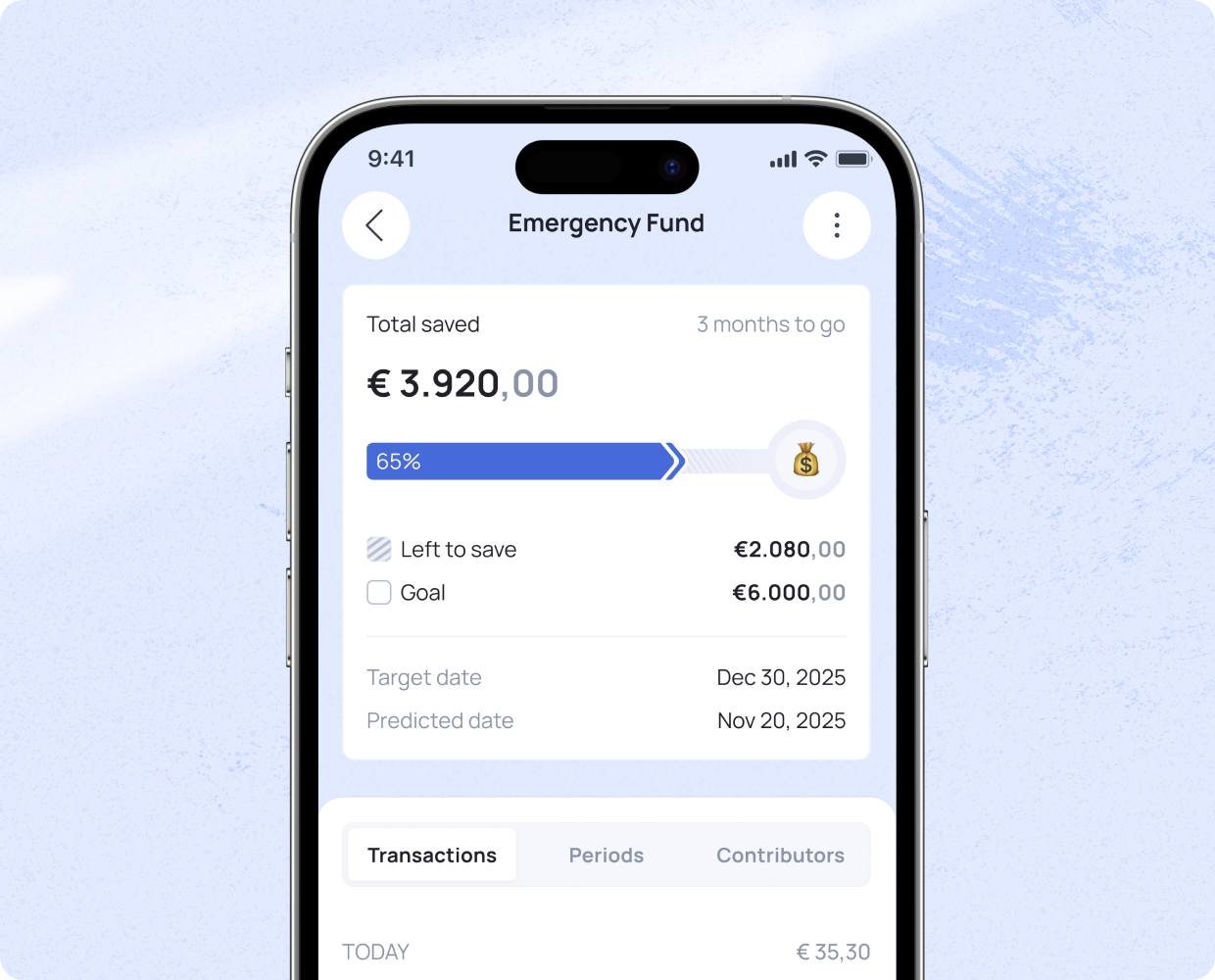
Savings goals often fade into the background of daily life. The end of the year is an ideal time to assess where you stand.
- Did you reach your goals, or did you have to adjust them?
- Is your emergency fund still sufficient for your current needs?
- Have new dreams or goals emerged that you want to start saving for?
Taking time to reflect helps you reset your priorities.
Cancel subscriptions
5. Look Ahead 🔮
Reflection is most useful when you act on what you’ve learned. Ask yourself: What do I want to do differently next year? More structure? More saving? Fewer impulse buys?
Don’t make a long list of resolutions—start with one or two concrete habits you can maintain throughout the year.
6. How Grassfeld Helps You ❤️
A year-end review of your personal finances doesn’t have to be complicated. By looking at your total spending, fixed costs, savings goals, and financial patterns, you’ll gain insight into what’s working and what could be improved. You’ll start the new year with a clear mind and a solid financial foundation.
The Grassfeld app makes this process much easier because the overview is already there.
- Your expenses are automatically categorised.
- You can see which categories account for most of your spending.
- Your budgets show where you tend to overspend or where there is room left.
- Your savings goals clearly indicate how close you are to achieving them.
No need to gather endless data or receipts. Simply view your reports and discover your main areas for improvement.
Download the Grassfeld app
Download the Grassfeld app now from your app store and start the new year with fresh insights.